

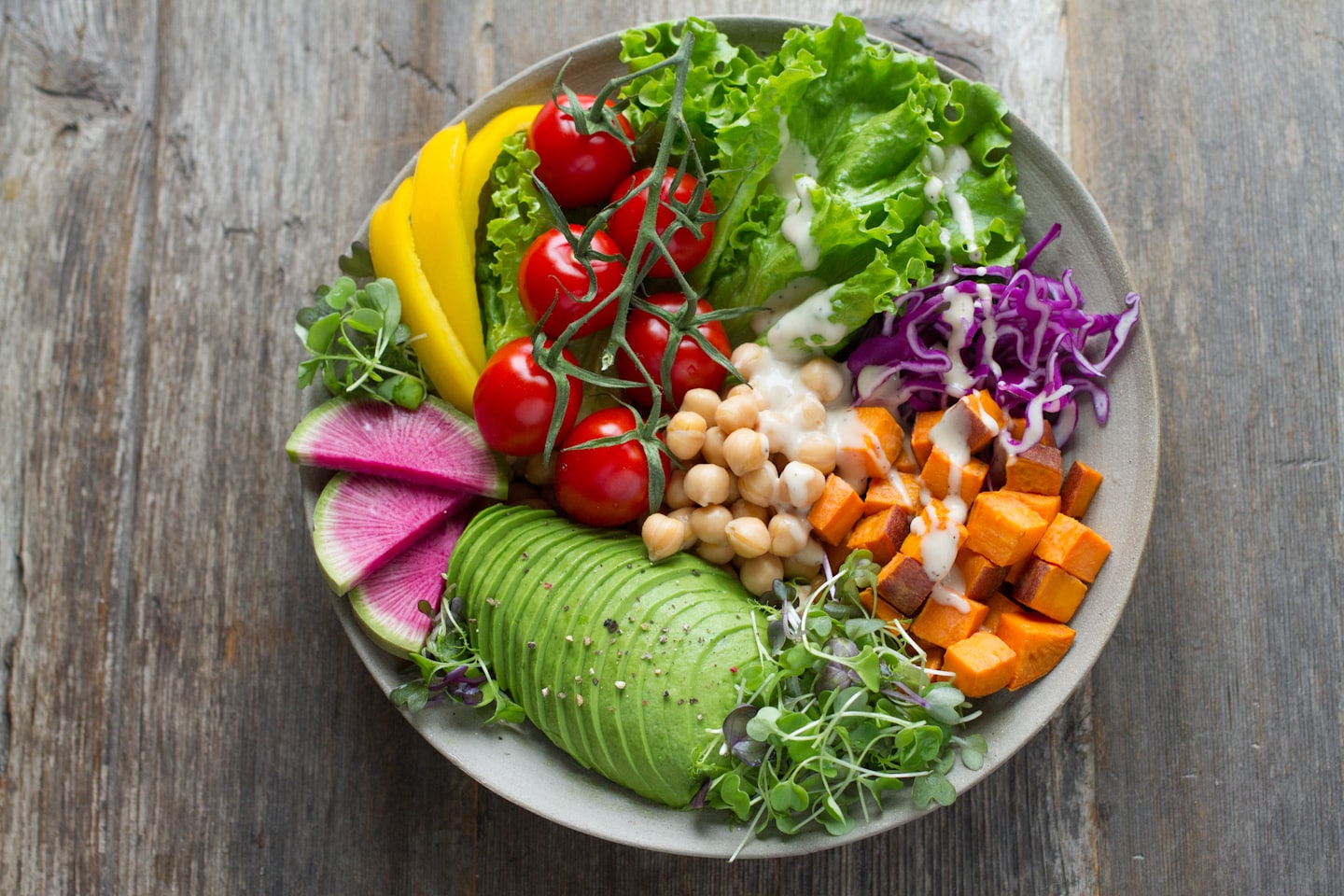

Balanced nutrition is the foundation of a healthy life. What you eat affects your energy levels, immunity, digestion, mood, and long-term well-being. This ultimate guide breaks down the essentials of balanced nutrition in a simple, practical way—so you can make smarter food choices every day.
What Is Balanced Nutrition?
Balanced nutrition means providing your body with the right proportions of macronutrients, micronutrients, and hydration to function optimally. It’s not about strict dieting—it’s about consistency, variety, and nourishment.
A balanced diet includes:
- Carbohydrates for energy
- Proteins for repair and growth
- Healthy fats for brain and hormone health
- Vitamins and minerals for overall function
- Fiber for digestion
- Water for hydration
The Key Macronutrients Explained
1. Carbohydrates
Carbohydrates are the body’s primary energy source.
Best sources:
- Whole grains (oats, brown rice, quinoa)
- Fruits
- Vegetables
- Legumes
Tip: Choose complex carbs over refined sugars for steady energy.
2. Protein
Protein supports muscle repair, immune function, and metabolism.
Best sources:
- Eggs
- Fish
- Lean meats
- Dairy
- Beans, lentils, tofu
Tip: Include protein in every meal for better satiety.
3. Healthy Fats
Fats are essential for nutrient absorption and brain health.
Best sources:
- Olive oil
- Avocados
- Nuts and seeds
- Fatty fish
Tip: Limit trans fats and highly processed oils.
Essential Micronutrients
Micronutrients may be needed in smaller amounts, but they are vital.
Vitamins
- Vitamin A: Vision & immunity
- Vitamin C: Skin & immune support
- Vitamin D: Bone health
- B Vitamins: Energy metabolism
Minerals
- Calcium: Strong bones
- Iron: Oxygen transport
- Magnesium: Muscle and nerve function
- Zinc: Immunity
The Importance of Fiber
Fiber supports digestion, blood sugar balance, and heart health.
High-fiber foods:
- Vegetables
- Fruits
- Whole grains
- Seeds and legumes
Goal: Aim for fiber at every meal.
Hydration: The Missing Piece
Water is essential for digestion, circulation, and temperature control.
Hydration tips:
- Drink water throughout the day
- Add lemon or herbs for flavor
- Eat water-rich foods like cucumbers and watermelon
Building a Balanced Plate
A simple way to eat balanced at every meal:
- ½ plate: Vegetables & fruits
- ¼ plate: Protein
- ¼ plate: Whole grains
- Add: Healthy fats
This method promotes portion control and nutrient balance.
Common Nutrition Myths
❌ Skipping meals helps weight loss
❌ Carbs are bad for you
❌ Fat makes you fat
❌ Supplements replace food
✔ Truth: Whole foods and balance matter most.
Practical Tips for Everyday Balance
- Plan meals ahead
- Cook more at home
- Read ingredient labels
- Limit ultra-processed foods
- Listen to hunger cues
Final Thoughts
Balanced nutrition is not about perfection—it’s about progress. Small, consistent choices lead to better health, more energy, and improved quality of life.
Leave a Reply