
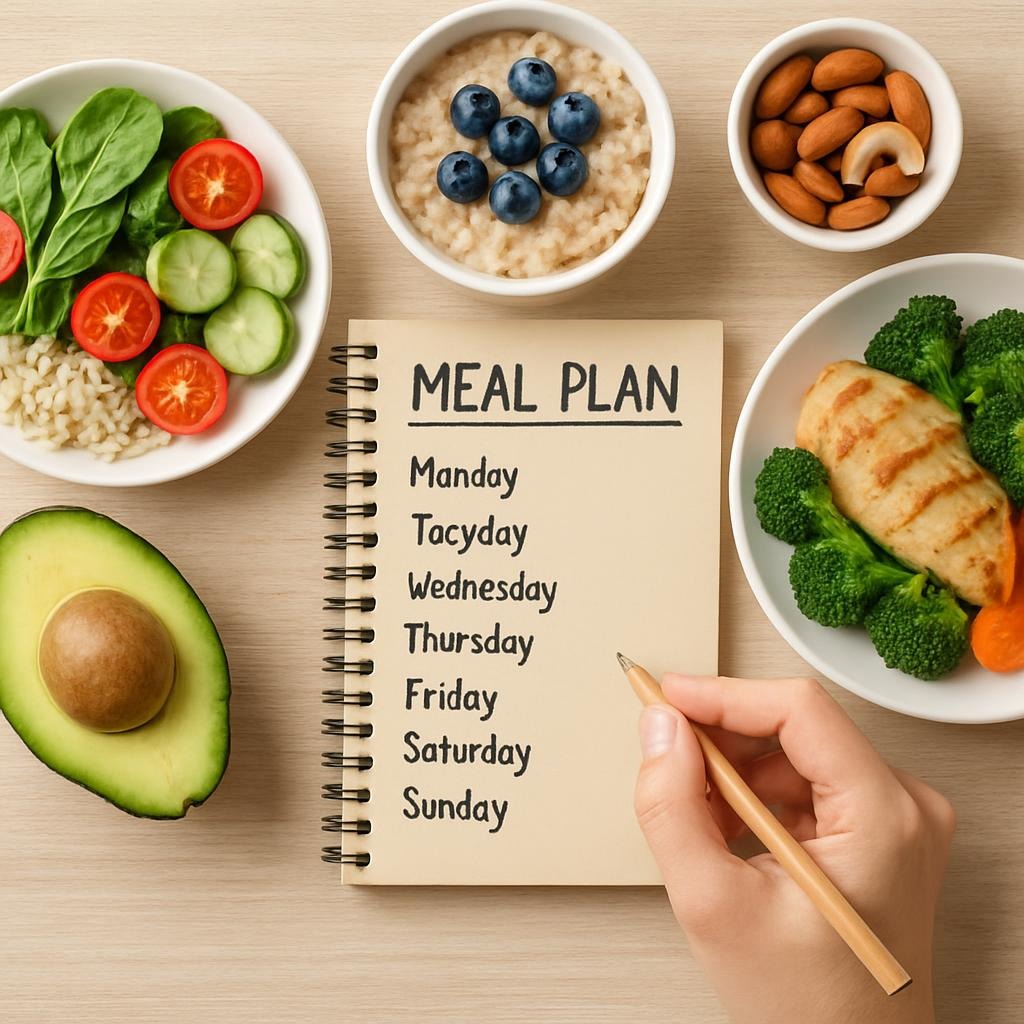
A well-structured meal plan can transform your health, boost energy, support weight management, and reduce stress around food. Planning your meals ahead of time ensures you eat balanced, nutrient-rich foods without relying on last-minute unhealthy choices. Here’s a step-by-step guide to creating effective meal plans for better health.
1. Define Your Goals
Before planning meals, determine your health goals. Are you aiming to:
- Maintain or lose weight?
- Build muscle?
- Improve digestion or gut health?
- Increase energy levels?
Your goals will guide the types of meals, portion sizes, and macronutrient balance you need.
2. Assess Your Schedule
Consider your daily routine, work hours, and family commitments. Decide:
- How many meals and snacks you need per day
- Which days require quick, grab-and-go options
- Which meals can involve more time for cooking
Planning around your schedule increases consistency and success.
3. Focus on Nutrient Balance
Each meal should include a balance of:
- Protein: eggs, fish, chicken, beans, tofu
- Healthy fats: olive oil, avocado, nuts, seeds
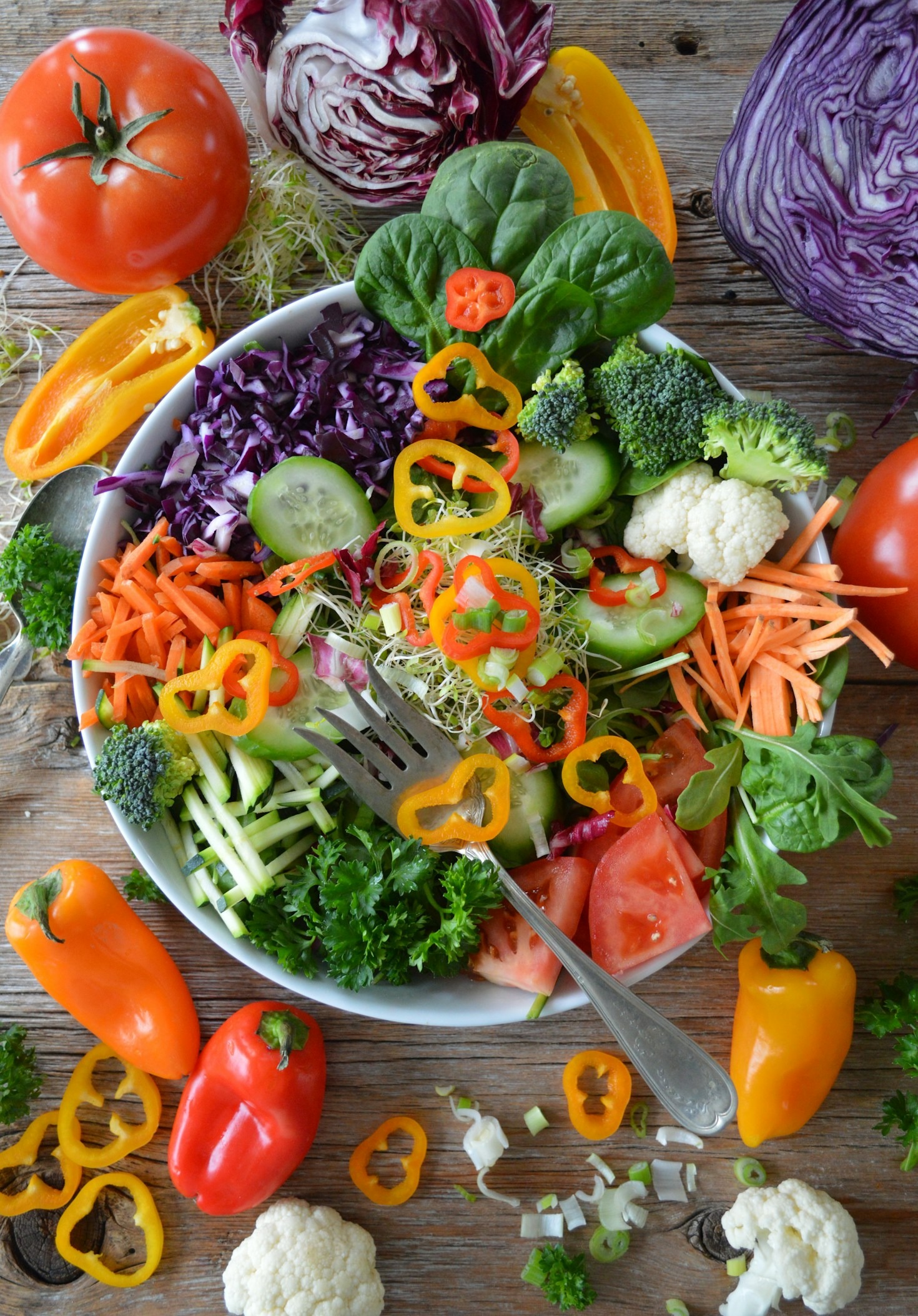
- Carbohydrates: whole grains, fruits, vegetables
- Fiber & micronutrients: vegetables, fruits, seeds
A balanced plate supports sustained energy and overall health.
4. Make a Weekly Grocery List
Once your meals are planned, list all ingredients you’ll need for the week. Tips for grocery planning:
- Stick to the perimeter of the store for whole foods
- Buy seasonal fruits and vegetables
- Check pantry staples to reduce waste
- Consider batch-cooking staples like rice, beans, or roasted veggies
5. Prep in Advance
Meal prepping saves time and keeps you on track:
- Wash and chop vegetables in advance
- Cook proteins in batches
- Store meals in portioned containers
- Label meals for easy grab-and-go access
Even prepping a few meals or ingredients ahead can make a big difference.
6. Stay Flexible
Life is unpredictable. Allow some flexibility in your plan:
- Swap meals if needed
- Use frozen or canned vegetables when fresh isn’t available
- Include occasional treats to stay motivated
Consistency, not perfection, is the goal.
7. Track and Adjust
After a few weeks, evaluate your meal plan:
- Are you meeting your health goals?
- Do you feel energized after meals?
- Are there meals you enjoy or dislike?
Adjust portions, ingredients, or meal timing based on your needs.
Final Thoughts
Creating a meal plan is a powerful tool to improve health, save time, and reduce stress around food. By planning meals around your goals, schedule, and taste preferences, you set yourself up for long-term success.
Leave a Reply