
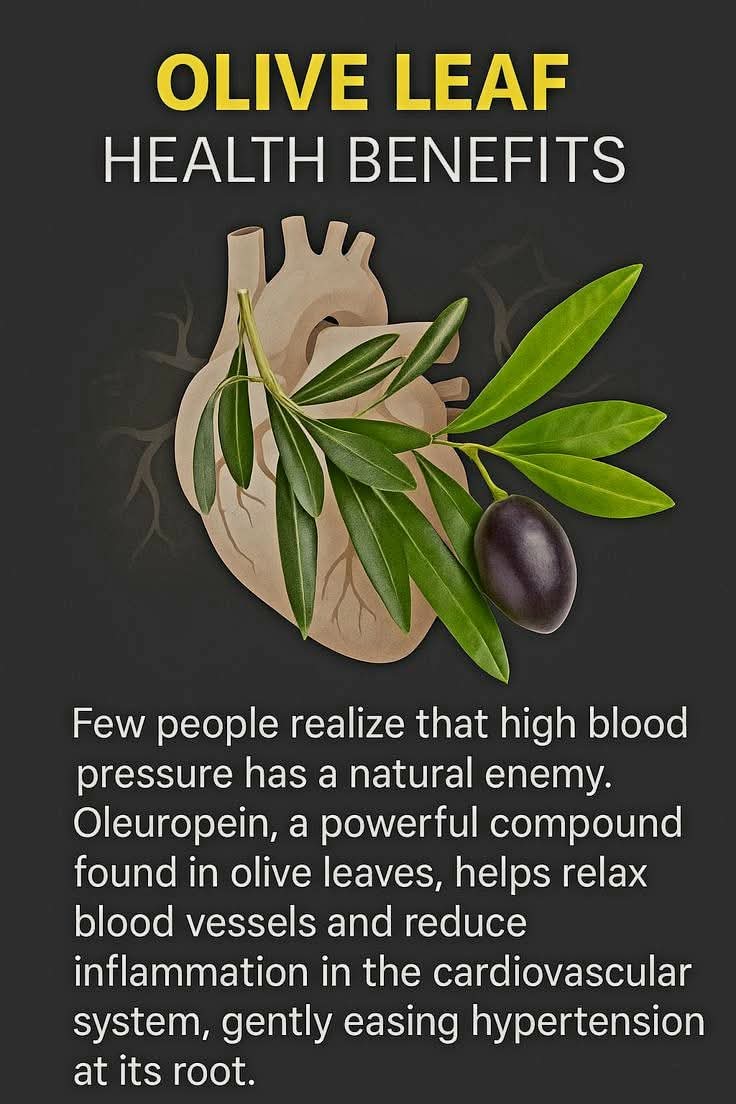
For centuries, olive trees have symbolized longevity, strength, and healing. While olive oil is widely praised, olive leaves are an often-overlooked part of the plant with remarkable health potential. Modern science now confirms what traditional medicine has long known: olive leaves contain powerful compounds that support cardiovascular health, immunity, and overall wellness.
The Key Compound: Oleuropein
The primary bioactive compound in olive leaves is oleuropein. This polyphenol is responsible for many of olive leaf’s health benefits. Oleuropein acts as a strong antioxidant and anti-inflammatory agent, helping protect cells from damage and supporting healthy blood vessels.
When olive leaves are consumed as tea, extract, or supplement, oleuropein is converted in the body into other beneficial compounds, including hydroxytyrosol, one of the most potent antioxidants found in nature.
Olive Leaf and Blood Pressure Support
One of the most studied benefits of olive leaf is its ability to support healthy blood pressure levels.
Olive leaf compounds help by:
- Relaxing and widening blood vessels
- Improving blood flow
- Reducing inflammation in the cardiovascular system
- Supporting healthy arterial function
By easing tension in the blood vessels, olive leaf may help reduce strain on the heart and promote more balanced circulation. This makes it especially valuable for individuals looking to support cardiovascular health naturally.
Olive leaf does not replace medical treatment but may complement a heart-healthy lifestyle when used responsibly.
Anti-Inflammatory and Antioxidant Power
Chronic inflammation is linked to heart disease, metabolic disorders, and aging. Olive leaf helps combat inflammation by neutralizing free radicals and calming inflammatory pathways in the body.
Benefits include:
- Protection against oxidative stress
- Reduced cellular damage
- Support for healthy aging
- Improved overall vitality
Immune System Support
Olive leaf has long been used for immune support due to its antimicrobial and antiviral properties. Research suggests it may help the body defend itself against harmful pathogens by:
- Supporting immune response
- Inhibiting the growth of certain bacteria and viruses
- Promoting faster recovery during seasonal illness
This makes olive leaf especially useful during times of stress or weakened immunity.
Blood Sugar and Metabolic Health
Emerging studies show olive leaf may help:
- Improve insulin sensitivity
- Support balanced blood sugar levels
- Reduce oxidative stress associated with metabolic disorders
These effects contribute to overall cardiovascular and metabolic wellness.
Forms of Olive Leaf
Olive leaf can be used in several forms:
- Olive leaf tea (dried leaves steeped in hot water)
- Liquid extracts
- Capsules or tablets
Tea is gentle and traditional, while extracts and supplements offer more concentrated benefits.
How to Use Safely
- Start with small amounts to see how your body responds
- Stay well hydrated
- Consult a healthcare professional if you are pregnant, nursing, or taking blood pressure or diabetes medications
Some people may experience mild detox-like symptoms initially, such as headache or fatigue, which usually pass quickly.
Final Thoughts
Olive leaf is a powerful yet gentle natural remedy with deep roots in traditional medicine and growing support from modern research. By supporting healthy blood vessels, reducing inflammation, and strengthening the immune system, it offers a holistic approach to wellness—especially for heart health.
Nature often provides the most effective tools for healing. Olive leaf is a perfect example of how ancient wisdom and modern science come together to support the body at its core.
Leave a Reply