

Protect Your Kidneys Naturally: A Guide to What to Avoid and What to Embrace
Your kidneys are vital, hardworking organs that filter waste, balance fluids, and regulate blood pressure. Keeping them healthy is essential for your overall well-being. While conditions like kidney disease can seem daunting, many aspects of kidney health are within your control through simple dietary and lifestyle choices.
This guide breaks down the key habits to avoid and the positive steps to take, helping you protect your kidneys and avoid the need for interventions like dialysis.
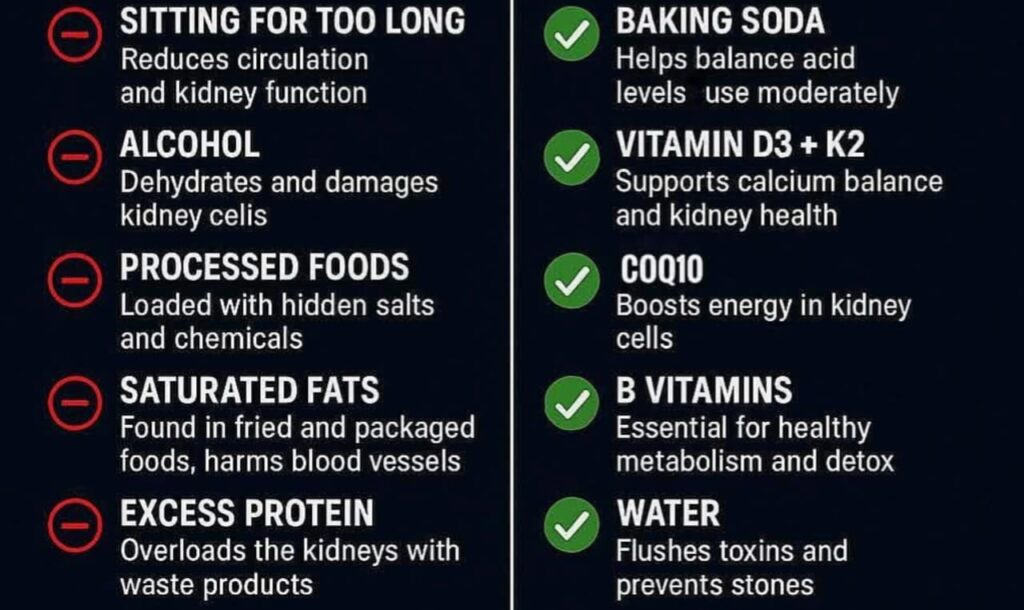
What to AVOID for Kidney Health
Many modern habits place a significant strain on your kidneys. By reducing or eliminating the following, you give your kidneys a much-needed break.
- Excess SALT: A high-sodium diet is a primary driver of high blood pressure, which is a leading cause of kidney damage. High blood pressure strains the delicate blood vessels in the kidneys, impairing their ability to filter blood effectively.
- Added SUGAR: Consuming too much sugar can lead to weight gain and insulin resistance, increasing your risk for Type 2 diabetes. Diabetes is one of the top causes of kidney failure, as high blood sugar levels can damage the kidneys’ filtering units over time.
- JUNK & PROCESSED FOODS: These are a double threat. They are typically loaded with hidden sodium, unhealthy fats, and chemical preservatives, all of which force your kidneys to work harder to remove these toxins from your body.
- SITTING FOR TOO LONG: A sedentary lifestyle reduces overall blood circulation, including to the kidneys. This can directly impact their filtration efficiency. Make a point to stand up and move regularly throughout the day.
- ALCOHOL: Alcohol acts as a diuretic, leading to dehydration. Dehydrated kidneys must work under stress, and over time, alcohol can directly damage kidney cells.
- Saturated & Bad FATS: Found in fried foods, red meat, and packaged snacks, these fats can contribute to atherosclerosis (hardening of the arteries), which reduces blood flow to the kidneys and other vital organs.
- STRESS: Chronic stress affects the body’s hormonal balance, leading to elevated blood pressure and heart rate. Since the kidneys are closely linked to blood pressure regulation, prolonged stress indirectly harms them.
- EXCESS PROTEIN: While protein is essential, overconsumption (especially from supplements and animal sources) can overload the kidneys. The breakdown of protein creates waste products like urea, which the kidneys must work extra hard to filter out.

What to ADD MORE for Kidney Health
Nourishing your body with the right nutrients and habits can actively strengthen and support your kidney function.
- WATER: This is the simplest and most crucial step. Staying well-hydrated helps your kidneys flush out toxins and prevents the formation of painful kidney stones. Aim for adequate water intake throughout the day.
- FIBER-RICH FOODS: A diet high in fiber (from vegetables, fruits, and whole grains) supports stable blood sugar levels and promotes healthy digestion and detoxification, taking some of the load off your kidneys.
- FRUITS: Colorful fruits are packed with powerful antioxidants that combat oxidative stress and inflammation, protecting the delicate cells of your kidneys from damage.
- REGULAR EXERCISE: Physical activity improves cardiovascular health and circulation, ensuring your kidneys receive a good blood supply to perform their filtering duties effectively.
- QUALITY SLEEP: During deep sleep, your body enters a restoration mode. This includes repairing tissues and reducing systemic inflammation, giving your kidneys a chance to recover and function optimally.
- Key Supplements & Nutrients:
· Baking Soda: A small amount can help balance the body’s acid levels, reducing the acidic load on the kidneys. (Use only under medical guidance).
· Vitamin D3 + K2: This powerful duo works together to ensure calcium is properly directed to the bones and not deposited in soft tissues like the kidneys, preventing stones and supporting overall function.
· CoQ10 (Coenzyme Q10): This antioxidant is vital for cellular energy production, boosting the energy levels within kidney cells so they can work efficiently.
· B Vitamins: Essential for a healthy metabolism, B vitamins support the body’s natural detoxification pathways.
Conclusion: A Balanced Approach to Kidney Care
Protecting your kidneys doesn’t require extreme measures. It’s about making consistent, mindful choices. By shifting your diet towards whole, unprocessed foods, staying active, managing stress, and ensuring you get the right nutrients, you can significantly reduce the strain on these vital organs.
Leave a Reply